Career Growth: How to Fix a Stalled Career
You can fix a stalled career by making your impact visible, addressing the skill gaps that limit your next step, and following a focused 90-day plan.

Career stagnation can feel especially frustrating when you are delivering strong work and still seeing no promotion, raise, or new opportunity. A stall is common, and you can respond with deliberate steps that clarify what you want and show others the value you bring.
What Are the Signs Your Career Has Stalled?

Signs of career stagnation include repeating the same work without new responsibility, feedback, or a clear path forward. A career plateau can also show up as lower job satisfaction or a growing sense of burnout, even when your performance remains strong.
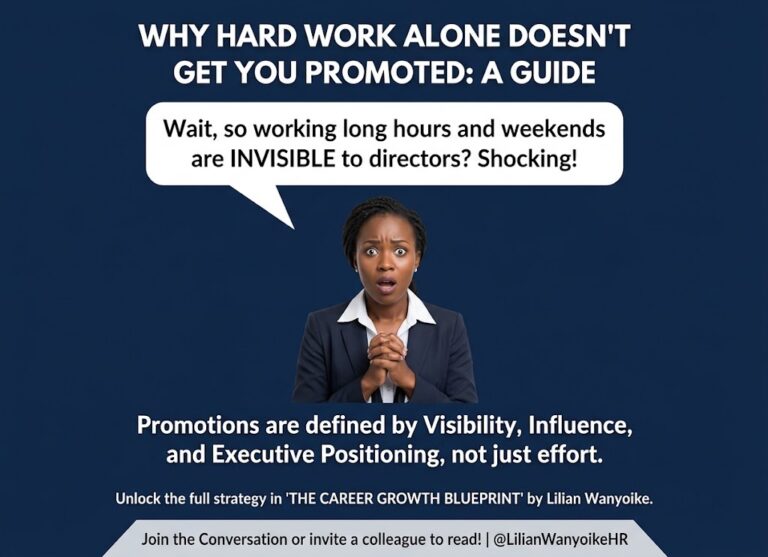
Why can strong work make you an invisible contributor?
Strong execution can keep you valued in your current role while leaving your wider contribution unseen. If you are known as the person who reliably handles urgent tasks, decision-makers may keep assigning more of the same work without considering you for leadership opportunities.
Track outcomes alongside activity. Record problems you solved, improvements you introduced, and the results your work supported. Share concise updates with your manager so your contribution is visible beyond the immediate team.
Are your skills keeping pace with market demands?
A skill gap may appear when your role changes faster than your capabilities or when the next position calls for different expertise. Look at job descriptions for roles you want and compare their recurring requirements with the work you can demonstrate today.
Choose one priority skill and practice it through a real project, course, or stretch assignment. That gives you evidence of progress and helps you explain how your capabilities are evolving.
Are you waiting for someone else to plan your growth?
If your development depends entirely on a manager raising the subject, your next move can remain unclear for months. Take the lead by naming the role or responsibility you want, asking what readiness looks like, and agreeing on a time to review progress.
A clear request makes the conversation practical: identify the experience you need, the evidence your manager expects, and the opportunity to build it. Keep your own record of agreed steps and follow up when you have new results.
Why Does Career Growth Stall?

Career growth stalls when your role, skills, or visibility stop aligning with the direction you want to take. Organizational changes and unclear promotion criteria can affect your career trajectory, while a mismatch between your strengths and daily work can reduce job satisfaction.
Is your role offering enough challenge and recognition?
A role can become limiting when most of your time goes to familiar tasks and your contributions receive little acknowledgment. Compare your current responsibilities with the work you want to do next: note which tasks build relevant experience and which keep you in the same pattern.
Bring specific examples to your manager. Explain the kind of responsibility you want, how it supports team priorities, and what outcome you could own. If recognition is part of the concern, describe the impact you have delivered and ask how it factors into advancement decisions.
How do you tell a temporary plateau from a deeper problem?
A temporary career plateau may follow a busy period, a team restructure, or a change in priorities, with signs of opportunity returning as conditions settle. A deeper problem is more likely when your responsibilities stay unchanged, feedback offers no route to advancement, or repeated conversations produce no concrete next steps.
Set a review point with your manager and agree on what progress would look like by then. Track changes in scope, feedback, and access to new work so you can judge whether the role is moving toward your goals.
How Can You Create Momentum Again?
You create momentum by connecting clear career goals to visible evidence, useful conversations, and work that builds relevant experience. Start with what you already contribute, then choose a focused action that supports career advancement.
Audit your value and document your impact
Write down your core responsibilities and the outcomes they support. Include numbers where you have them, such as time saved, client needs resolved, revenue supported, or process errors reduced.
Use this record to update your resume and LinkedIn profile with specific achievements. A clear summary of your impact helps others see the scope of your work and gives you useful evidence for career conversations.
Ask leadership for a direct career conversation
Request a dedicated meeting with your manager to discuss your next step. Share the direction you are aiming for and ask which capabilities or results would demonstrate readiness.
Leave with concrete actions and a follow-up date. For example, agree to lead a defined project, present its results to senior stakeholders, and review progress together in six weeks.
Build visibility through stretch assignments
Stretch assignments give you a chance to show how you handle work beyond your current routine. Look for a project that connects to your target role and has a clear outcome, such as coordinating a cross-team process or presenting recommendations to decision-makers.
Make your contribution easy to understand by confirming your role, sharing progress, and documenting the result. Choose work that builds relevant experience without compromising your core responsibilities.
Close skill gaps with continuous learning
Use job postings and conversations with people in your target role to identify the skills employers value. Select one skill gap at a time and build it through structured learning, practice, or feedback on live work.
Capture proof of what you have learned. A completed project, presentation, or new responsibility gives your next career conversation something concrete to discuss.
Turn your priorities into a 90-day action plan
Divide your plan into three working periods. During days 1–30, assess your position, define your next move, and identify the experience or skills you need. During days 31–60, build skills, increase visibility, and strengthen relevant connections.
During days 61–90, pursue stretch work and review your progress against the goals you set. The free 30–60–90 Day Quick Start Guide follows this structure, with steps for assessing your position, developing skills and visibility, then pursuing stretch work and reviewing progress.
How Do Career Phases Shape Your Next Move?
Career phases help you choose a next step that fits your current needs and readiness. Your career trajectory can include periods of skill-building, increased visibility, role changes, or broader transitions, and the phases can recur as your work changes.
Use a career assessment to identify your current phase
A career assessment gives you a structured way to review what is working and where you need development. Use the results to identify whether your immediate priority is stronger skills, greater visibility, clearer positioning, or a new direction.
The Career Growth Blueprint includes a scored Career Phase Assessment to help you assess your current phase. Its framework treats phases as flexible: you may revisit one when you change roles or industries, or experience different phases across parts of your work.
Check your readiness before a career transition
A career transition requires a clear view of your strengths, evidence, and areas to develop. Before pursuing a new role, ask whether you can show the capabilities it requires and what experience would make your application stronger.
The Transition Readiness Assessment in The Career Growth Blueprint offers a structured way to consider that move. Use the result to decide whether to prepare further, pursue a transition, or build experience in your current role first.
Choose between growing in place and making a career change
Growing in place can suit you when your current organization offers meaningful work, support, and a credible route to greater responsibility. A career change may fit when your interests or strengths point toward a different role or industry, or when your current path has no workable route forward.
Compare the options against your priorities, such as the work you want to do, the skills you want to use, and the opportunities available to you. You can also test a direction through a stretch assignment or a conversation with someone working in that field.
Taking Charge of Your Next Career Move
Your next career move becomes clearer when you assess your position, make your impact visible, and commit to a small set of career goals. Review your progress every few weeks and adjust your plan as you gain new information about the work and opportunities available to you.
Lilian Wanyoike brings more than 12 years of HR leadership, people-and-culture advisory work, and executive career coaching experience. You can request a career strategy session, get the free 30–60–90 Day Quick Start Guide by email, or find The Career Growth Blueprint on Amazon to work through its assessments and action plan.
Frequently Asked Questions
What does a stalled career mean?
A stalled career means your responsibilities, skills, recognition, or opportunities have stopped progressing in a way that supports your goals. It can be a temporary career plateau or a sign that you need a different development plan.
How can I fix a stalled career without quitting?
You can start by documenting your impact, asking your manager for clear readiness criteria, and pursuing work that builds relevant experience. Set a review date so you can assess whether your role is giving you a credible path forward.
How do I know whether I am experiencing stagnation or burnout?
Career stagnation centers on limited progress or opportunity, while burnout involves persistent exhaustion and reduced capacity to cope with work demands. The experiences can overlap, so consider speaking with a qualified health professional if exhaustion is affecting your wellbeing.
How long should I give my current role to improve?
Set a specific review period, such as 60 to 90 days, and agree on visible indicators of progress with your manager. Evaluate whether your responsibilities, feedback, or access to development opportunities have changed by that date.
Do I need to change careers to get unstuck?
A career change is one option, and many people regain momentum by changing responsibilities, increasing visibility, or pursuing a new role within their field. Use your interests, skills, and readiness to decide which path best supports your next step.